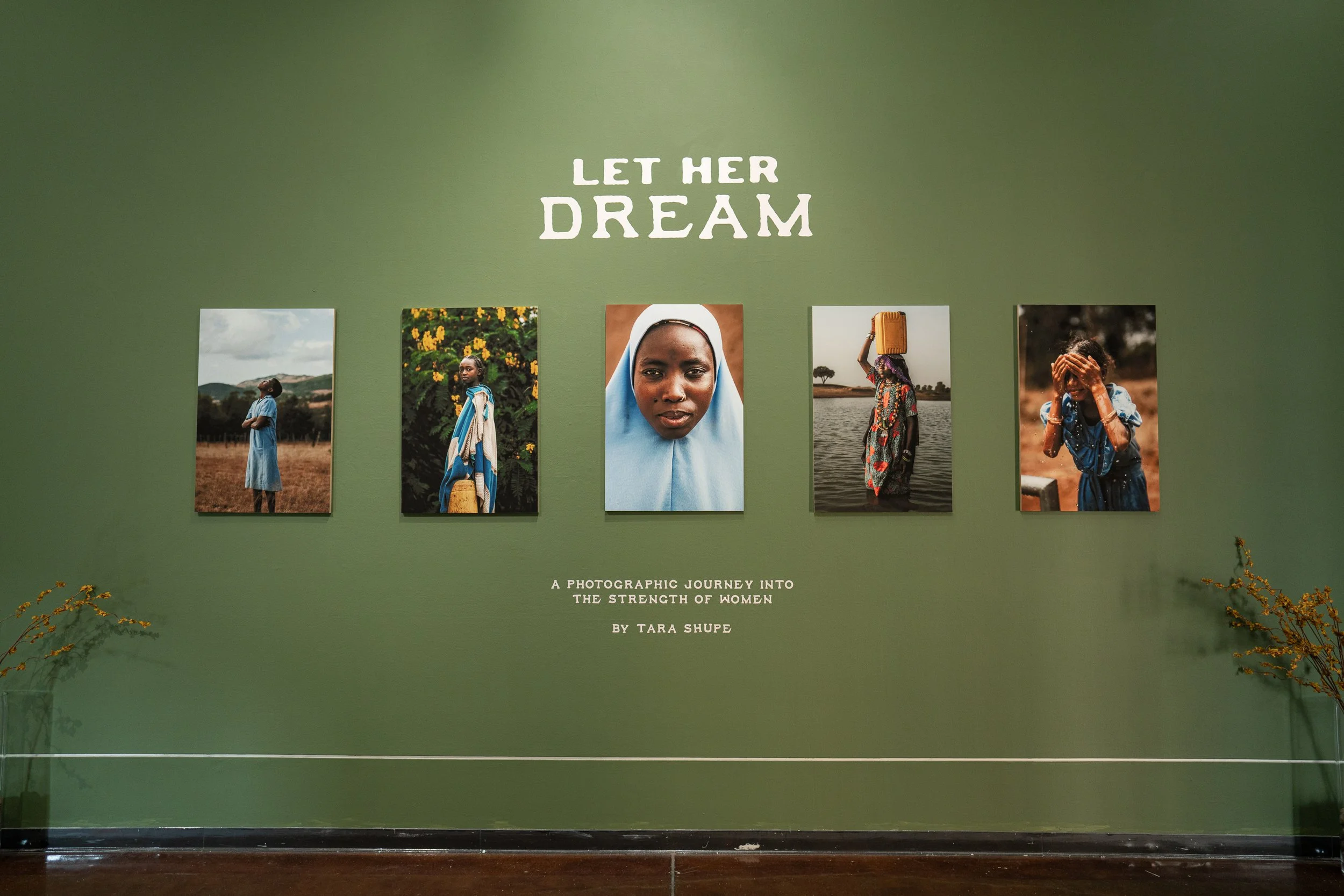
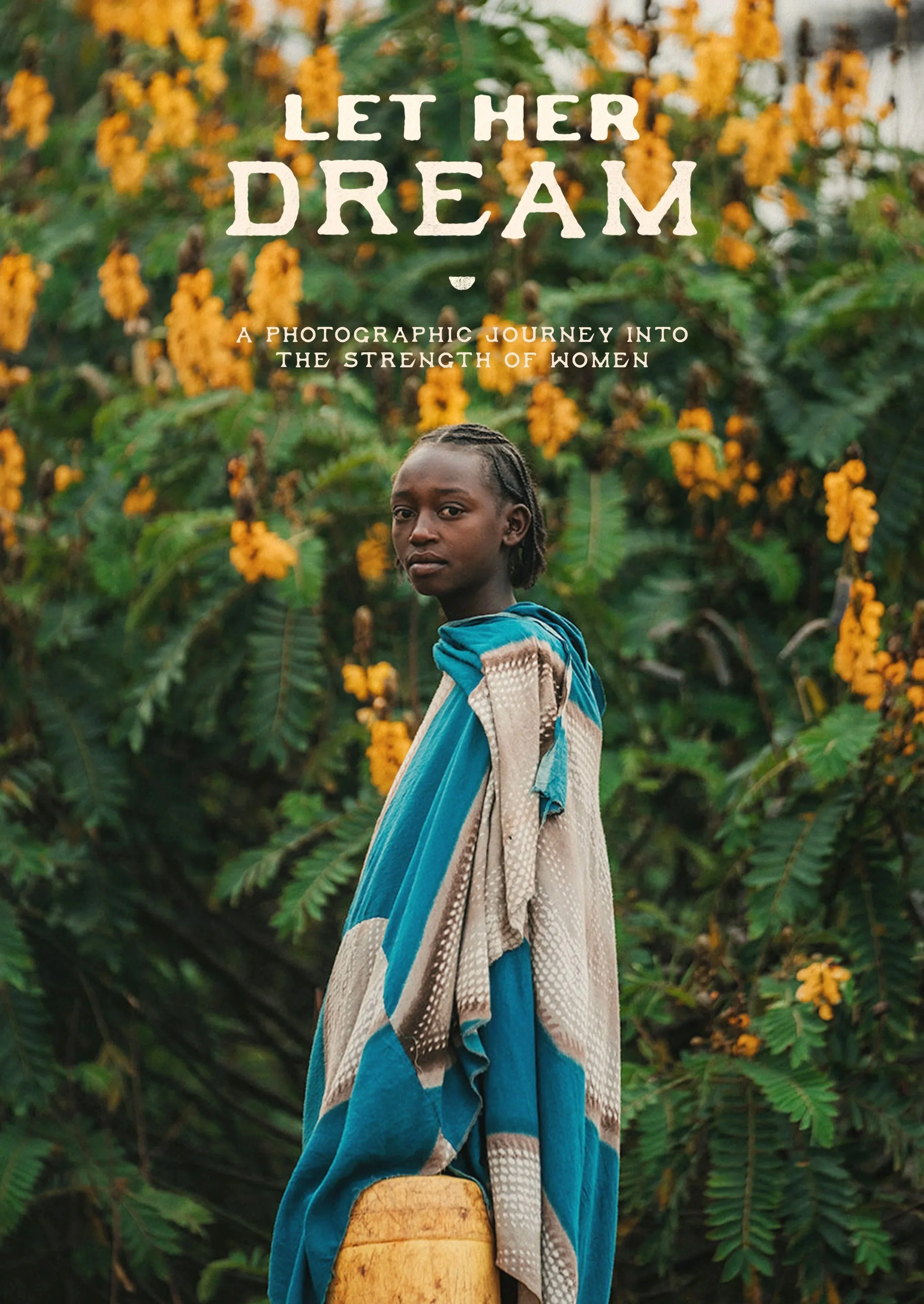
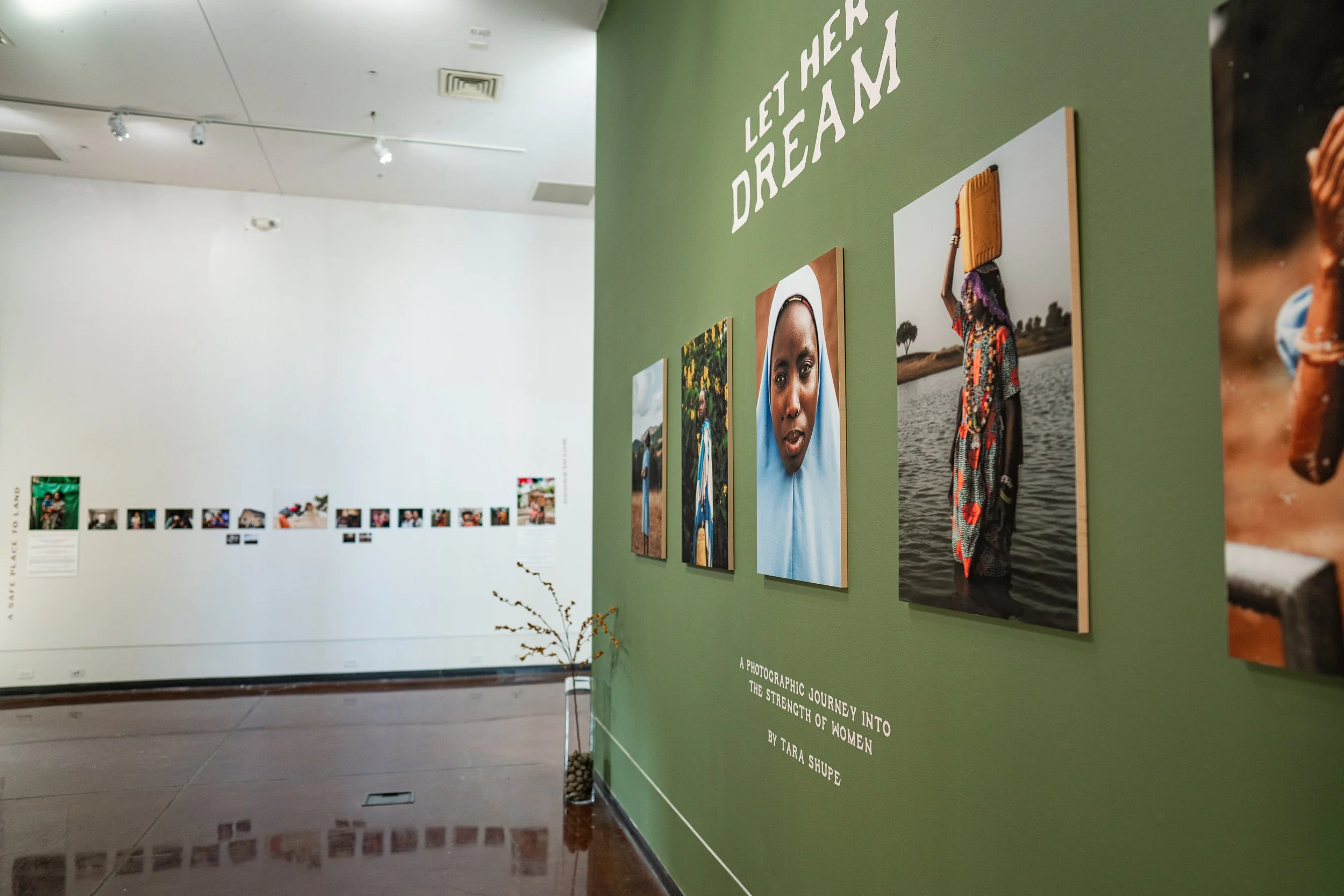
A photographic journey into
the strength of women.
-
They are those fleeting thoughts that distract us during our daily tasks or the unknown wonders that keep us awake at night. They can be inspired by a person, a memory or nothing at all; but for a moment or a lifetime, they tend to capture our souls.
They give us hope.
They give us purpose.
They give us endless possibilities.
-
My inspiration for this series was ignited during my interviews in Eswatini, South Africa in 2018. I was interviewing a group of young girls as they talked about their struggles getting to school, when I learned that their motto for arriving safely was, “Walk fast, Walk Together.”
It was evident during my time with these girls how much they supported and uplifted each other. Their dreams weren’t singular, but communal, and their motto imprinted on my heart and mind.
I began to nurture thoughts that if girls in certain cultures were so fearful about getting to school, how would they ever get the opportunity to dream? And for the girls in Eswatini, what makes their dreams more difficult to chase than the girls in India, Nepal, and numerous other regions of the world? I wanted to know more than the standard question, “What do you want to be when you grow up?”
I wanted to know what set their souls on fire.
I wanted to know what fleeting ideas came to their minds as they drifted off to sleep.
I wanted to know what their minds held before the world told them what was possible.
I wanted to know their impossible dreams, the ones that tap them on the shoulder and whisper: “Go ahead, let her dream.”
-
It’s amazing how a few years can further shape our understanding of the world and since 2018 this photo series has evolved alongside my own life. I entered motherhood and walked through my own seasons of change, and as I sat quietly on kitchen floors or sang loudly while bouncing down dirt roads, I began to see the art of women’s lives in what felt like a spiritual form.
Not every story pulled me back to my original inspiration, but this time I held my camera with a greater sense of responsibility, and with deeper empathy and connection to the heart of it all…this was never a singular story, but one woven across cultures, chapters, and endless time…
Women were at the core of it all: the refugee mother who had the strength to leave, the young girl who woke at 4 a.m. to make the dangerous walk for water, the woman who risked it all to save a battered neighbor. Every single story ingrained in my heart forever and here on these walls.
-
My hope with this series is to continue opening hearts to difficult issues around the world, while honoring the unwavering strength, resilience, and perseverance I’ve witnessed for nearly a decade.
As you move through this space, I hope you reflect on your own dreams and what you believe holds you back. I hope your heart opens and you hear your own whisper:
Let her dream. Let us all dream.
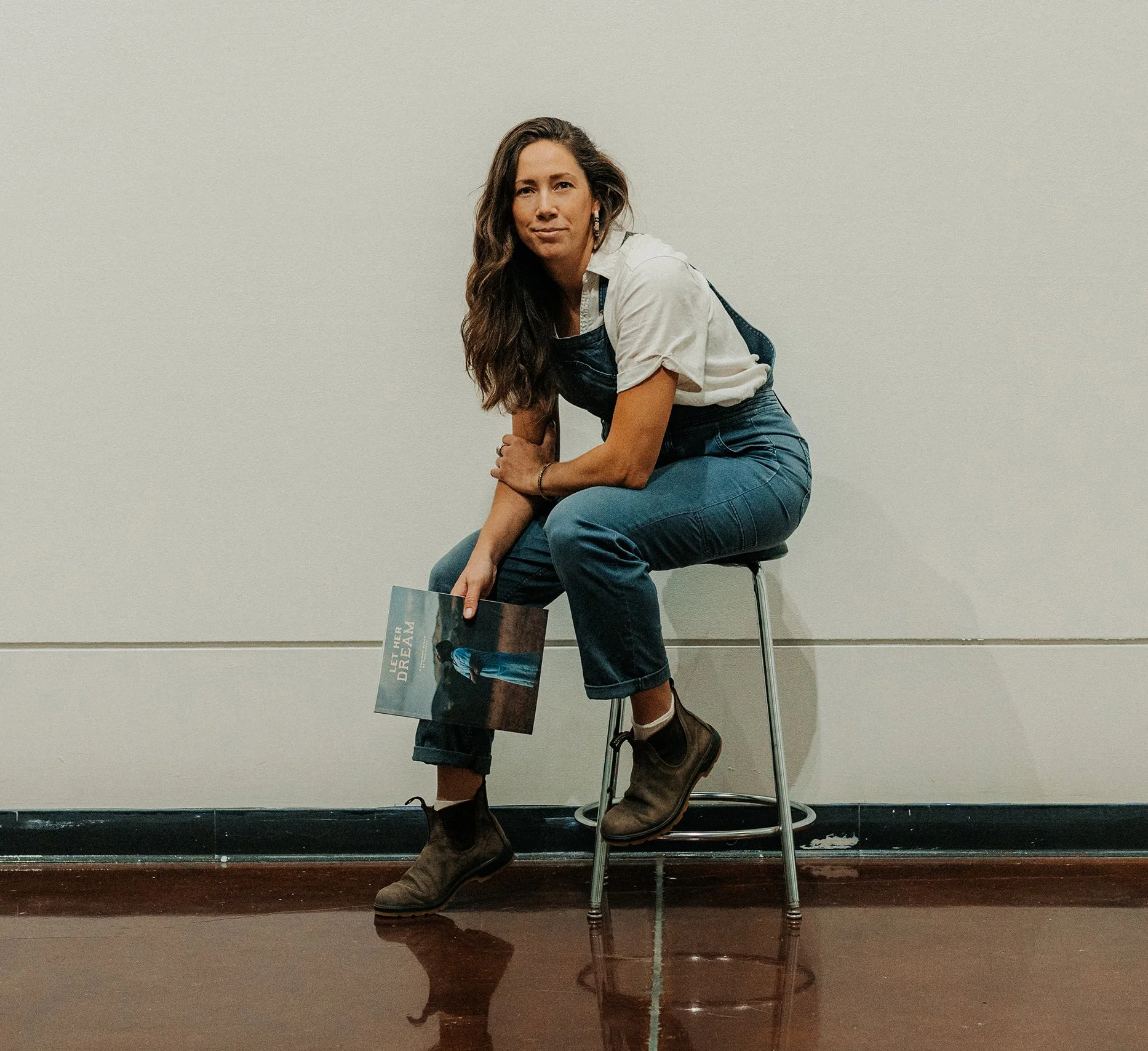
Tara was first inspired to merge her growing interest in women stories into a photo-book, Let Her Dream. The evolution continued as it became it’s first art exhibition at Graceland University for the 100th, Homecoming in October 2025.
How to support the continuation of this project.
-
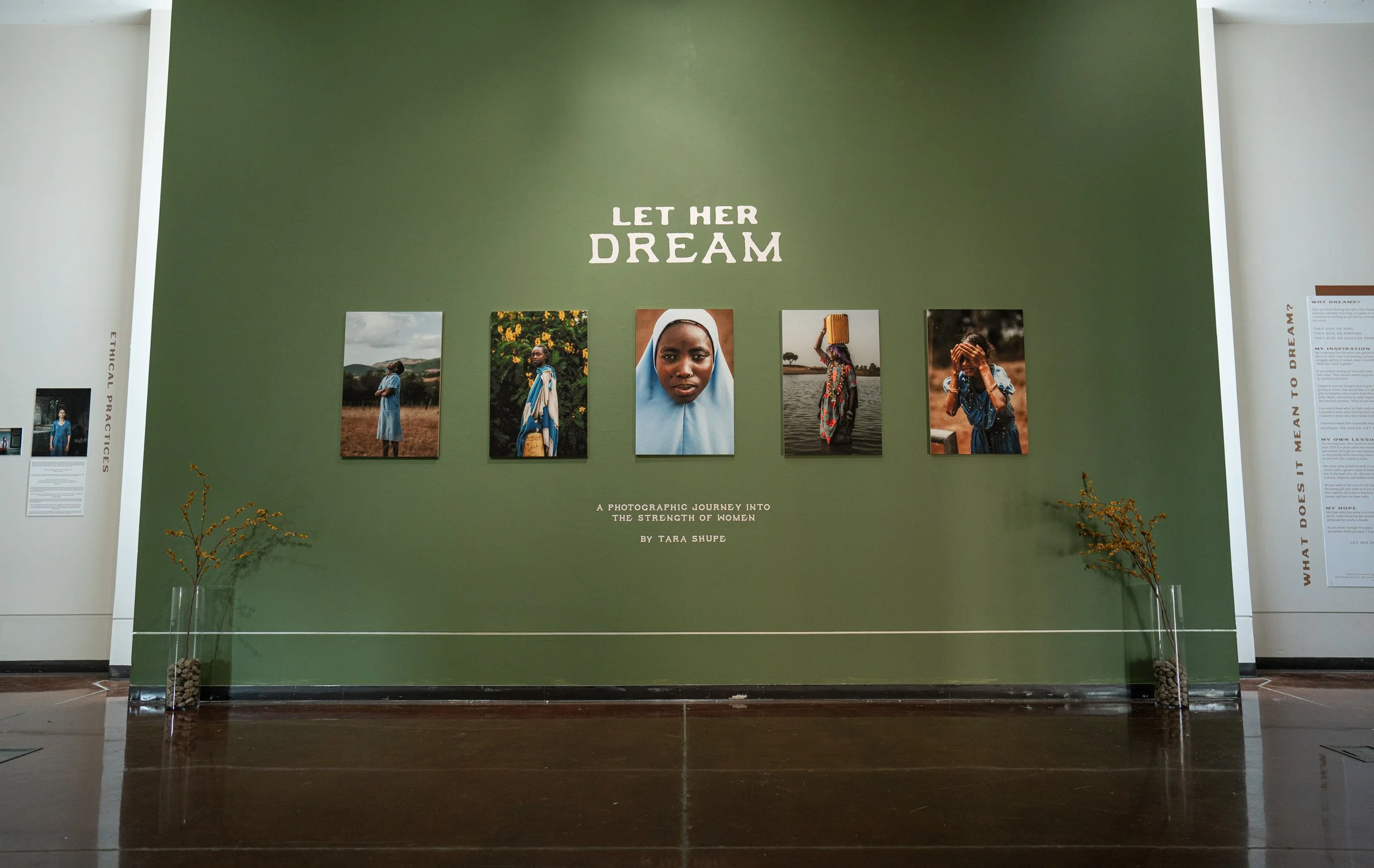
![Gallery display titled 'Let Her Dream,' featuring five photographs of women from diverse backgrounds, with informational panels on either side.]()
LARGE PRINTS
24×36 Bamboo Standout Fine Art Prints from the Let Her Dream Exhibition.
-
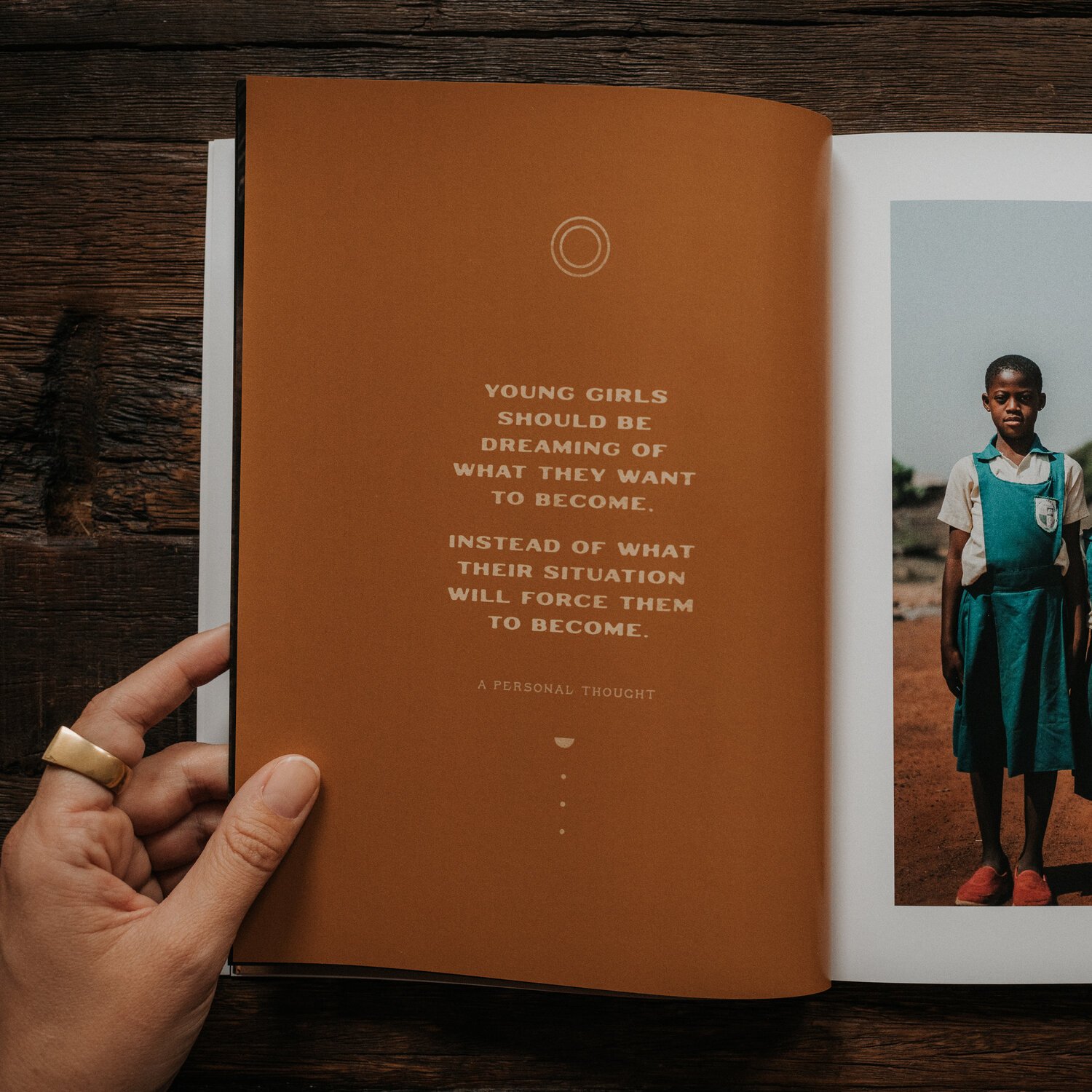
![An open book with a motivational quote on a brown page on the left side and a photo of a young girl in a school uniform on a blue-gray background on the right side. The quote reads: "Young girls should be dreaming of what they want to become, instead of what their situation will force them to become."]()
PRE-ORDER VOLUME II
It all begins with an idea. Maybe you want to launch a business. Maybe you want to turn a hobby into something more.
-
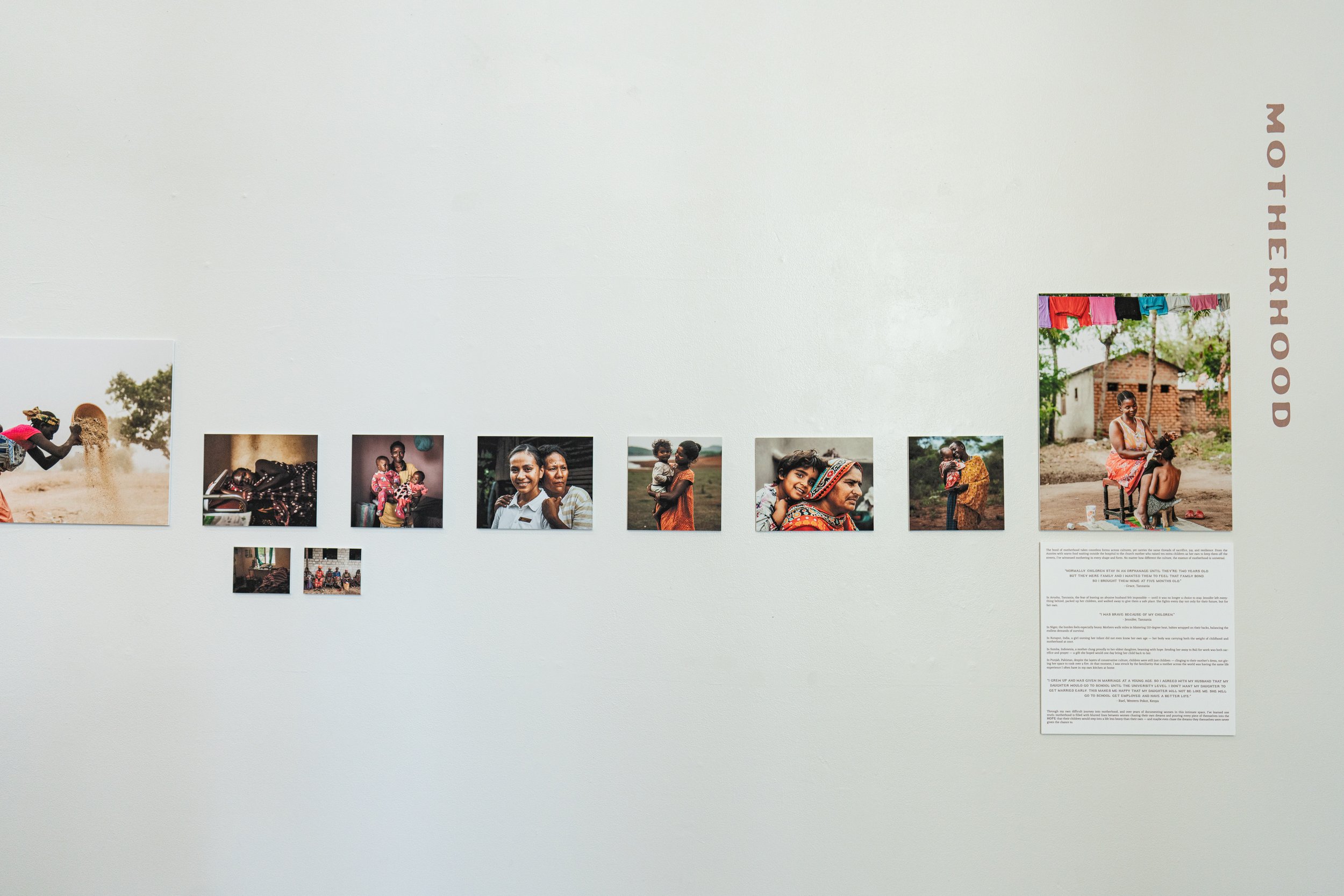
![An exhibition display of photographs showing people in a rural setting, including women and children, with some images capturing daily activities and moments of interaction especially among children and adults.]()
STORY PRINTS
Support Tara through purchasing the limited fine art prints that were displayed in the gallery.
-
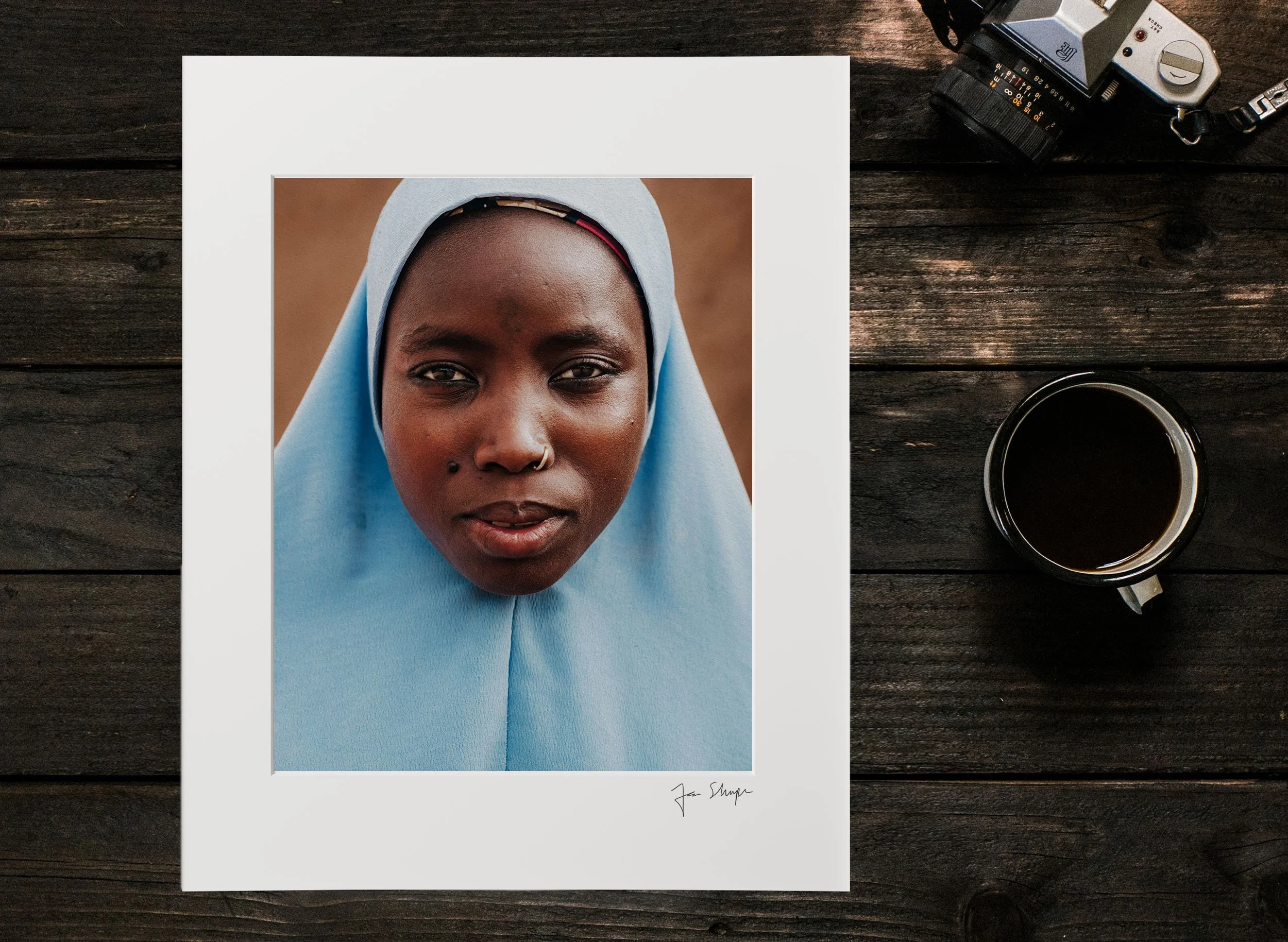
![A close-up portrait of a woman wearing a light blue headscarf, with a nose ring, against a neutral background, placed on a dark wooden table with a camera, a cup of coffee, and a white framed picture in the scene.]()
GRAB & GO PRINTS
5×7-11×14 matted fine art prints ready to display in any frame.
Women & water
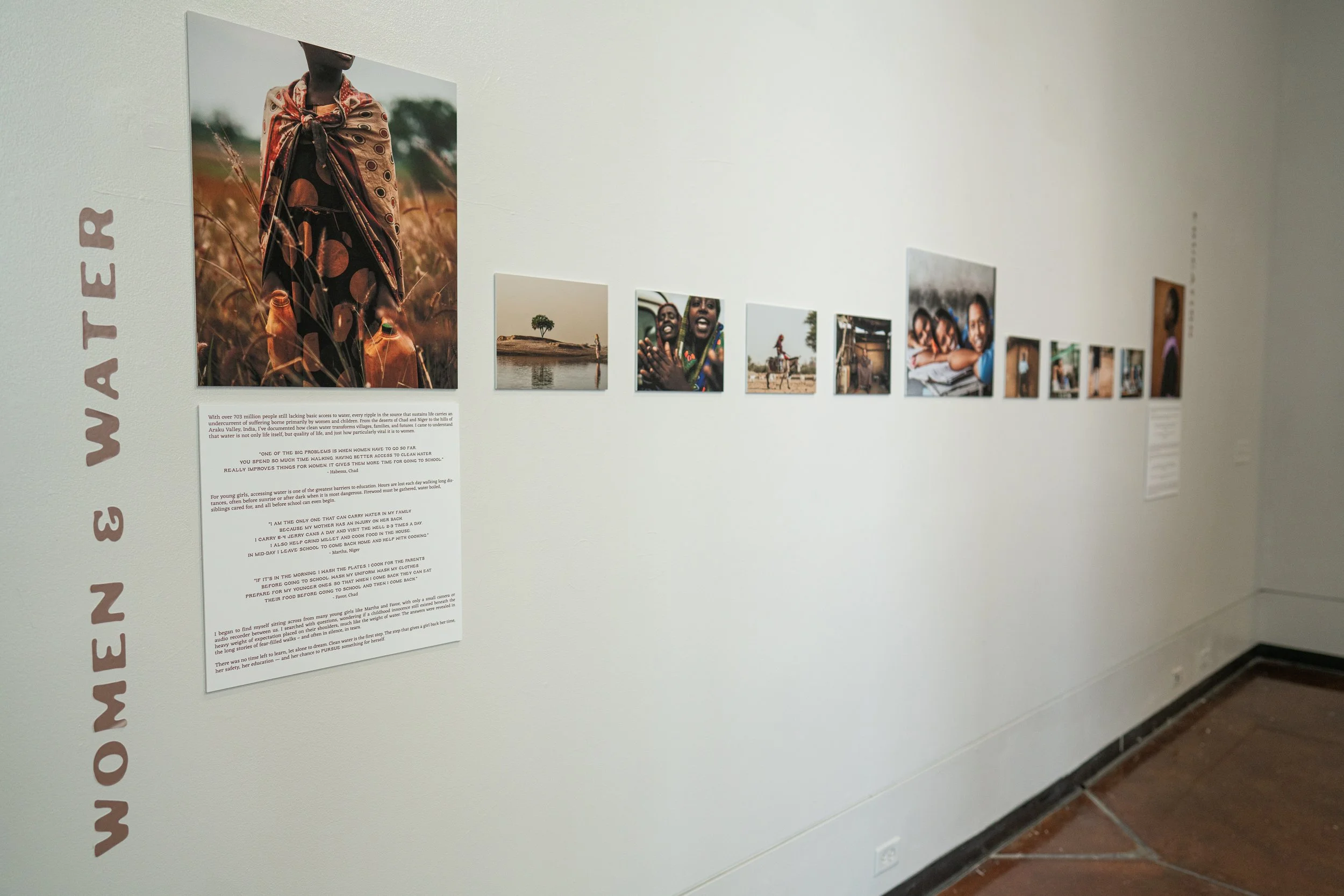
With over 703 million people still lacking basic access to water, every ripple in the source that sustains life carries an undercurrent of suffering borne primarily by women and children. From the deserts of Chad and Niger to the hills of Araku Valley, India, I’ve documented how clean water transforms villages, families, and futures. I came to understand that water is not only life itself, but quality of life, and just how particularly vital it is to women.
“One of the big problems is when women have to go so far. You spend so much time walking. Having better access to clean water really improves things for women. It gives them more time for going to school.” - Habessa, Chad
For young girls, water is one of the greatest barriers to education. Hours are lost each day walking long distances, often before sunrise or after dark when it is most dangerous. Firewood must be gathered, water boiled, siblings cared for and all before school can even begin.
“I am the only one that can carry water in my family because my mother has an injury on her back. I carry 6-4 jerry cans a day and visit the well 2-3 times a day. I also help grind millet and cook food in the house. In mid-day I leave school to come back home and help with cooking.” - Martha, Niger
“If it’s in the morning, I wash the plates, I cook for the parents before going to school. Wash my uniform, wash my clothes, prepare for my younger ones, so that when I come back they can eat their food before going to school and then I come back.” Favor, Chad
I began to find myself sitting across from many young girls like Martha and Favor, with only a small camera or audio recorder between us. I searched with questions, wondering if a childhood innocence still existed beneath the heavy weight of expectation placed on their shoulders, much like the weight of water. The answers were revealed in the long stories of fear-filled walks–and often in silence, in tears.
There was no time left to learn, let alone to dream.
Clean water is the first step. The step that gives a girl back her time, her safety, her education — and her chance to pursue something for herself.
FIELD NOTES:
My documentation of the water crisis has been some of my most physically demanding assignments for me and my camera gear. To document even a fraction of what these women were experiencing involved climbing into dangerous ravines, bouncing in the back of vehicles, wading through water, extreme dehydration and burning up camera equipment.